
Here’s a dismal statistic: it has been estimated that AI will replace 85 million jobs globally, affecting 40% of all existing jobs by 2025. If you — like me — are in a line of work where you use your words, creativity, intellect, or professional expertise, or if you are in any type of data-heavy administrative or entry-level white collar work, then your job is very likely to be automated in part or entirely. The World Economic Forum has even gone so far as to warn that “a customer service centre that once employed 500 people might transform into 50 AI oversight specialists working from a single location.”
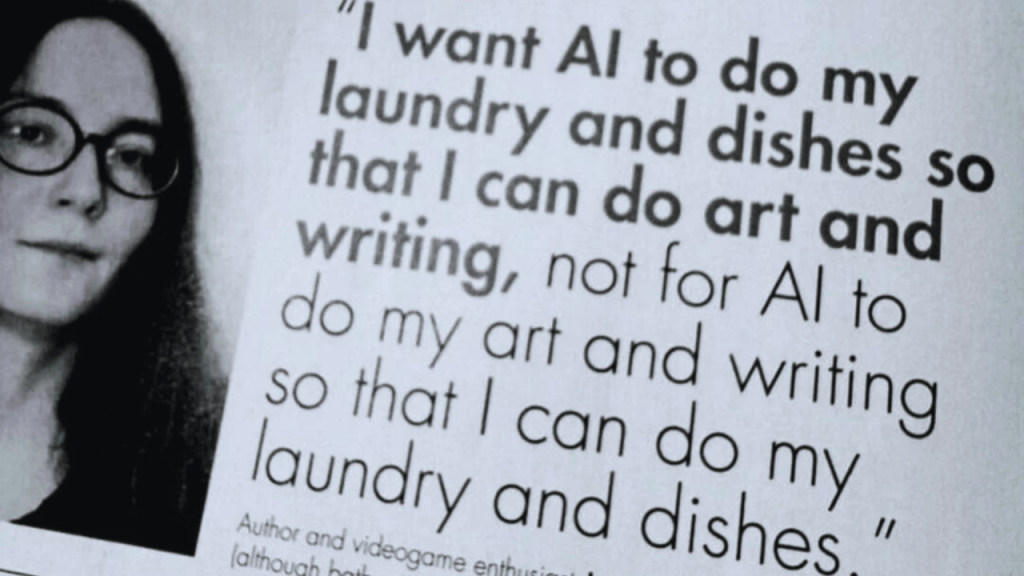
And the title for meme of the century goes to….. *drumroll*
Sure, it’s bleak, but the bills aren’t going to pay themselves. So the solution would be to paper up, get credentialed in whatever bleeding-edge new field an AI job sector is being created in, and transition to ride out the wave, right?
Well, as with most solutions in the real world, it’s not always such a quick and easy fix. These transitions take a lot of time and are generally incredibly resource-intensive : re-training, upskilling, and job searching can take anywhere from three months at the very least to even a DECADE or more. In the meantime, how will you support yourself with the skillsets that you already have? How do your transferrable skills translate to immediately and urgently-needed income in an increasingly volatile job-seekers’ market?
Freelancing online may be one way to answer these questions. Marketing your valuable skills on these marketplaces may be a stop-gap solution or even an invaluable opportunity to rebuild and rebrand yourself in these trying times.
So, here’s a quick, vetted list of the top 9 major online freelancing marketplace websites in 2025.
1.Upwork

Upwork is already well known and well established in the flexwork gig economy world. As a large global platform with a wide variety of job categories, it can be good for both entry-level upstarts or for remote-work freelancing veterans building upon a preexisting portfolio. There is also an invitation-only “Upwork Business” category with 5k+ offerings.
Unfortunately, there are downsides: competition is high, and as with most such platforms, there are significant gaps between the highest and lowest earners. Higher-ranking, more established professionals tend to get most of the clients. Depending on the pricing tier and the category, fees and cut-rates may reduce take-home amounts : the cut they take ranges from 20% (first $500) to 10% ($500-$10K) to 5% ($10K+). You will need to build reviews/ratings to succeed.
2. Fiverr
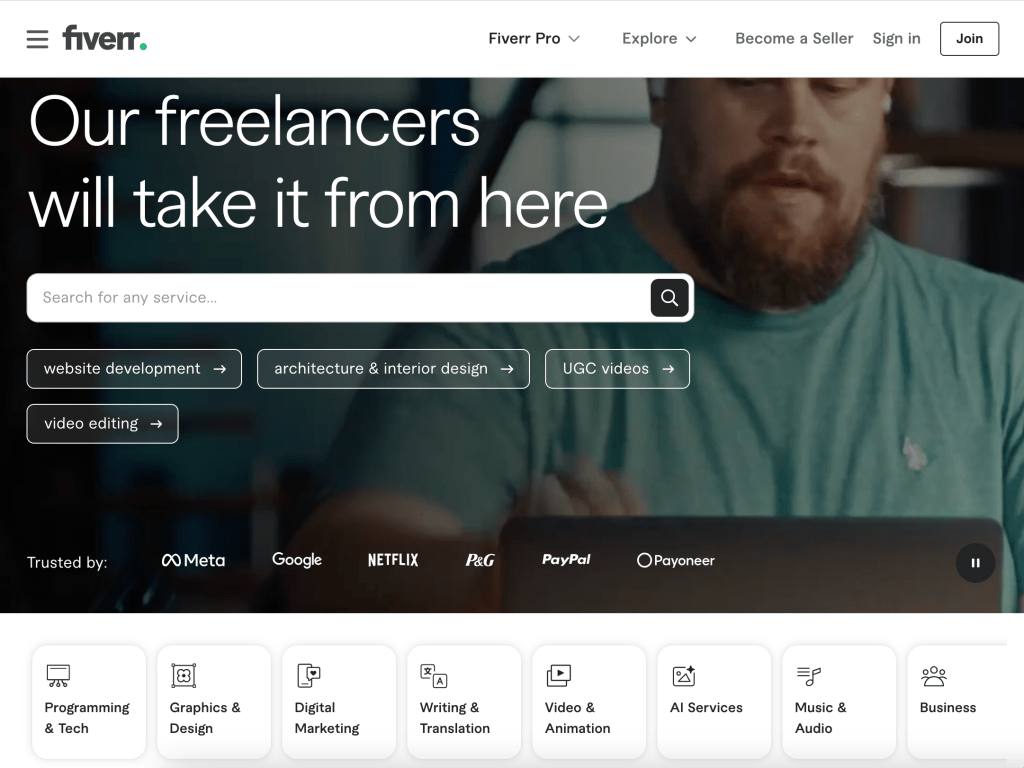
I started out on Fiverr as a translator many years ago, and I eventually found some great long-term clients on the site that I was able to work with on enough of a long-term basis to transition off the platform. Although I’ve heard it’s getting more saturated than it used to be, I’m thinking of rejoining with a different, more specialized and localized niche.
Fiverr is a dependable mainstay amongst many other comers-and-goers of the flailing gig economy. Many freelancers choose to stay on Fiverr and keep their options as open as possible. It’s very beginner-friendly, with lots of smaller gigs, and the lowest barrier to entry compared to other platforms. As of 2025, it has now reportedly diversified further, featuring Fiverr Pro and Fiver Certified.
Downsides? Because of the low entry barrier, there are many low-price jobs, and it can be harder to find high-value gigs unless you specialize.
3. Toptal
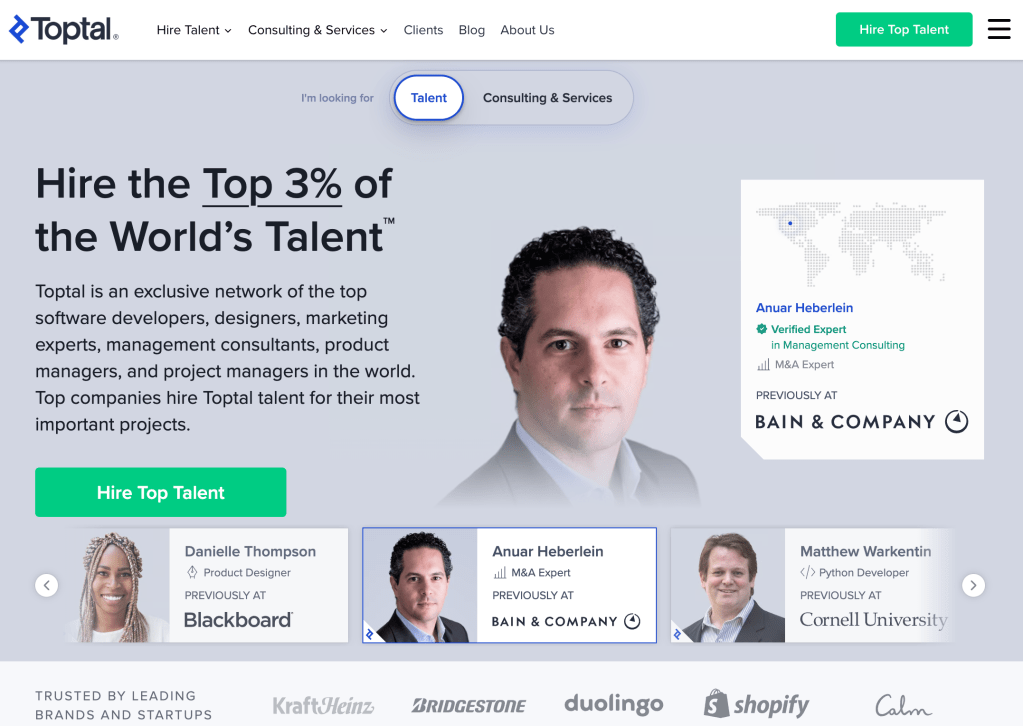
The front page says it all: toptal is where the biggest companies turn to “hire the top 3% of the world’s talent,” as an “exclusive network” for “the most important projects.” As a high-end marketplace targeting top freelancers, the rates are also generally much higher. The entry barrier is significantly higher and there is a stringent vetting process. There are generally fewer large-volume small gigs, and it takes them time to sift through applications.
If you don’t have a readymade portfolio, this is probably an unrealistic option, but it could be one to keep in mind for later.
4. PeoplePerHour
https://www.peopleperhour.com/
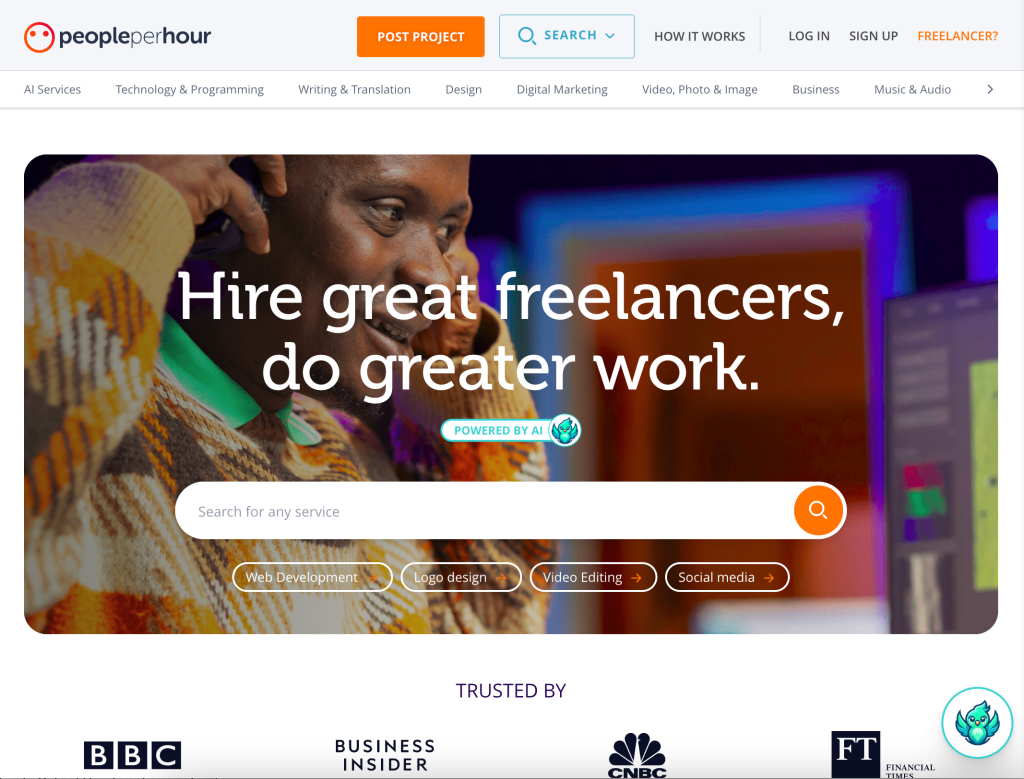
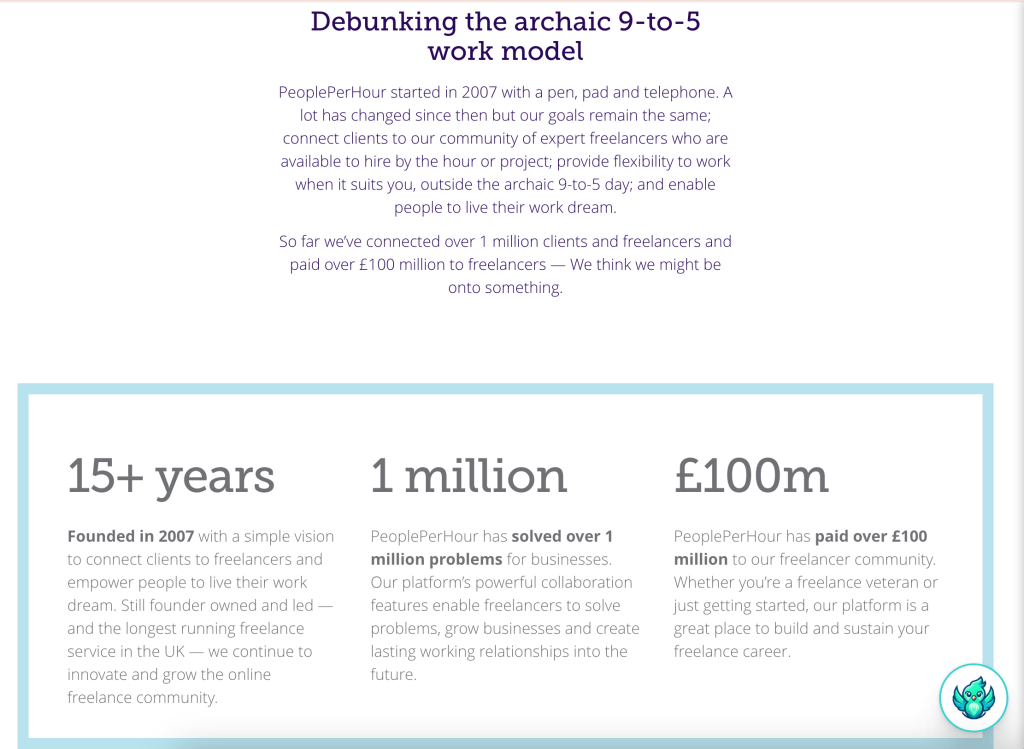
Are you in Europe — specifically, the UK? Then this is the best option out there for you at the moment. There is a mix of smaller and medium jobs here, although the entry barrier is higher, and there is a vetting process. Think of it as a localized version of Toptal. Generally, there are fewer large-volume small gigs here, but many of them may be transferrable to higher-quality, long-term client work.
Again, as with Toptal, if you don’t already have a portfolio with proven experience in your field, then it will take time for you to build up to gain access.
5. 99designs
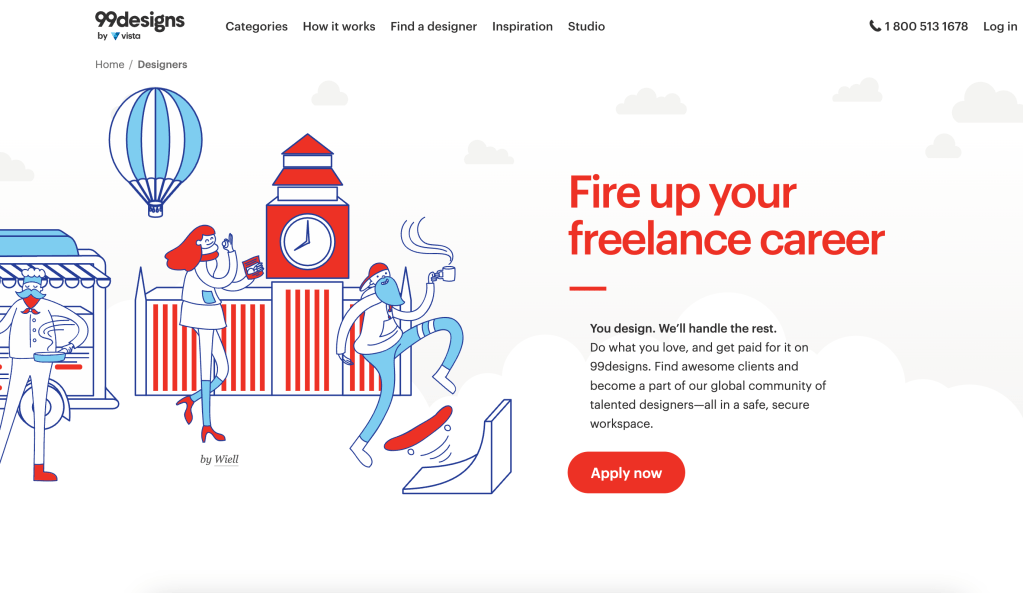
Are you a designer, or do you do visual work? Then 99designs is probably for you. This marketplace specializes in design gigs, such as logos, book covers, and website design. Unfortunately, it probably isn’t very relevant if you are outside the design/creative niche. The design-contest model is also a tad speculative, and you will need a winning portfolio that you can submit prior to application.
6. Guru
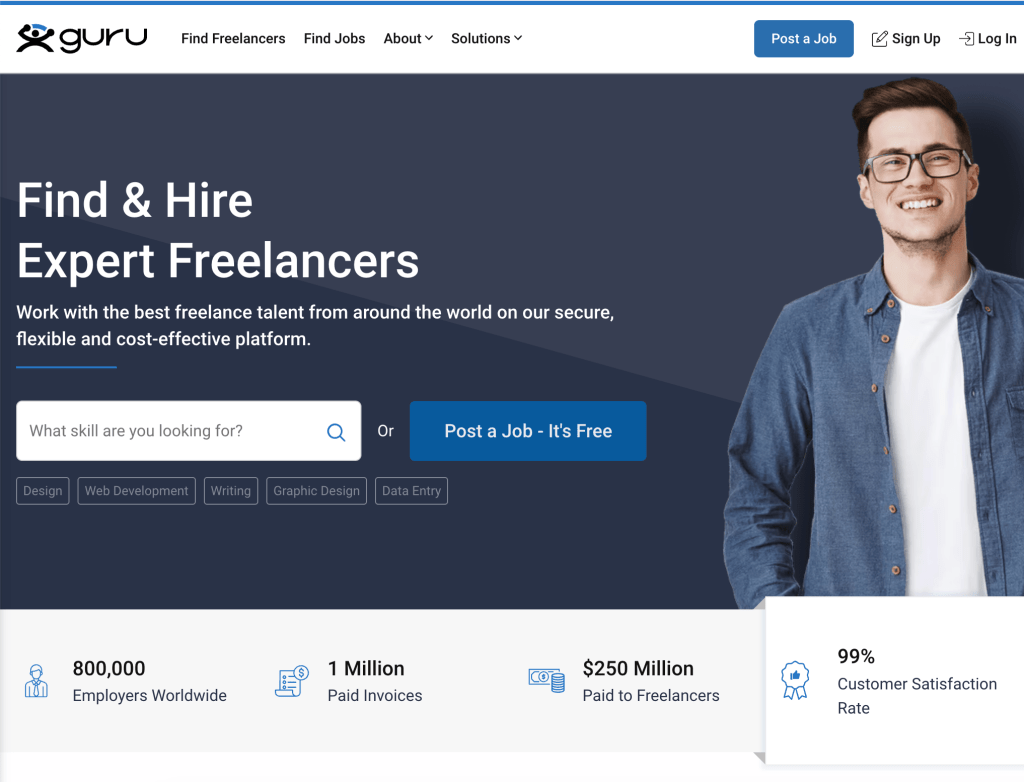
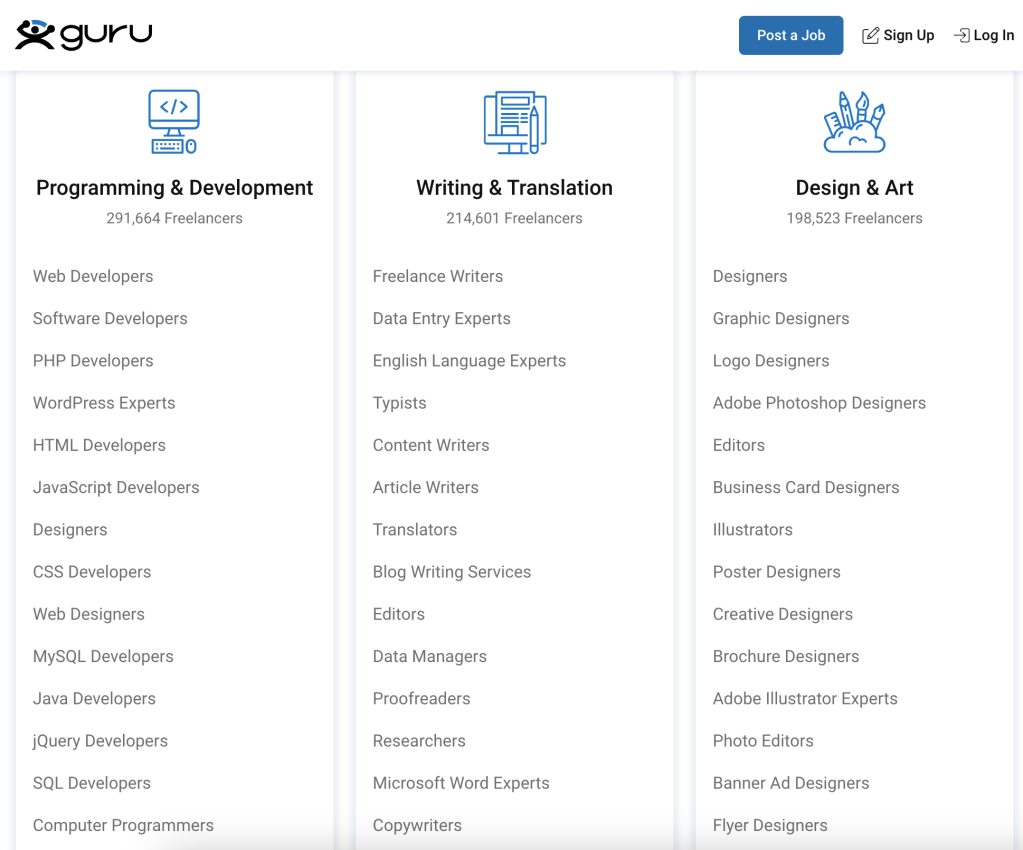
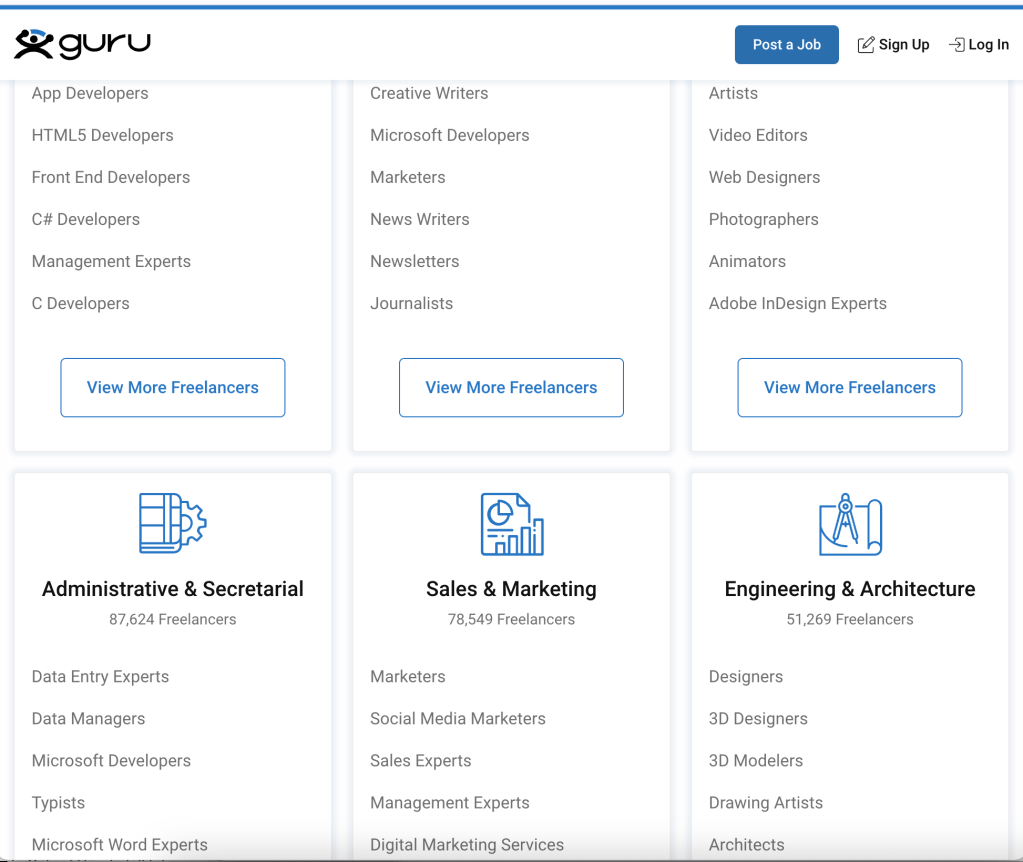
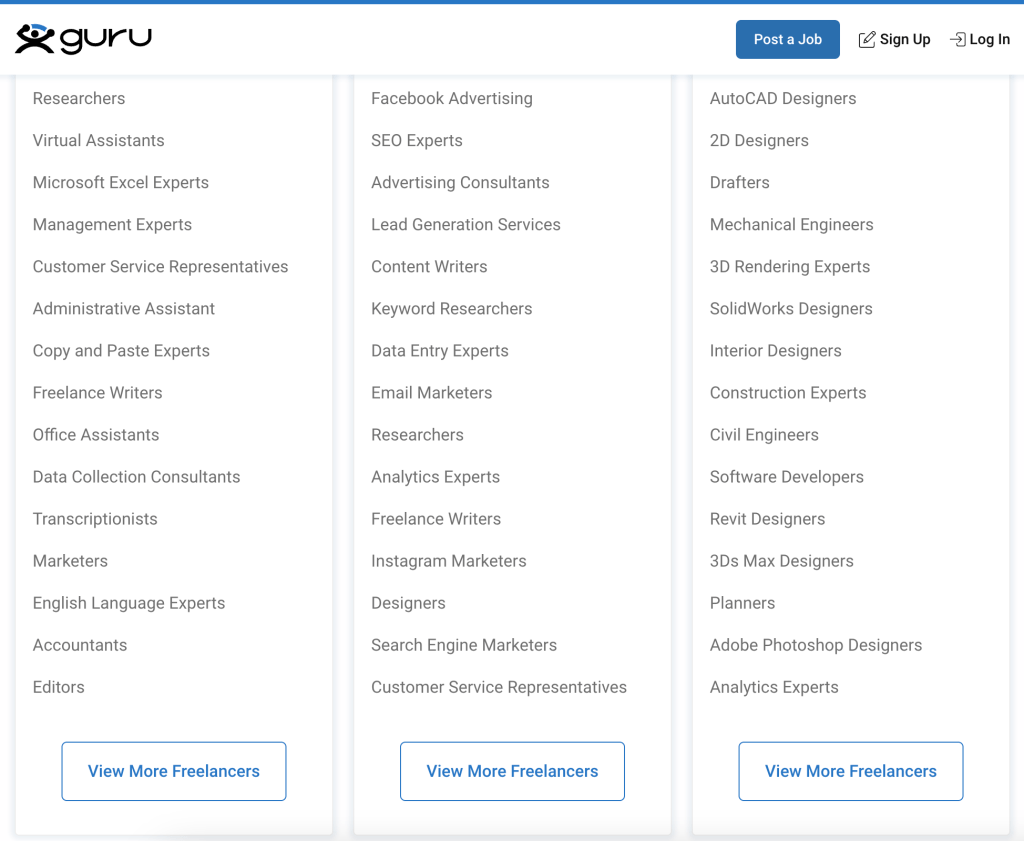

They have freelancers in every category, so you’re sure to be able to find your place here.
Along with Upwork and Fiverr, Guru is a time-tested, established platform with flexible contract types: hourly, fixed, and recurring. It’s less high-profile than some of the “top tier” sites, and as such, it might require more effort to stand out.
7. Flexjobs
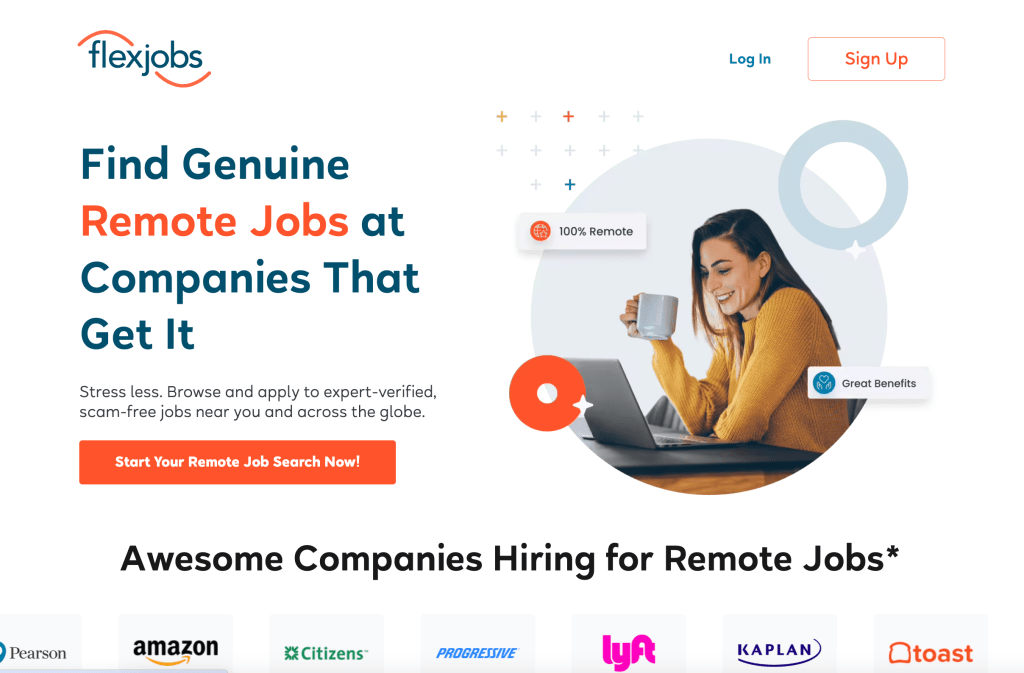
I already introduced Flexjobs in an earlier post, “Top 7 websites for finding remote jobs in 2025,” but it’s worth mentioning again here. This site is great for remote/ longer-term freelance & contract work. The job listings are vetted and generally higher-quality. Although it’s not a typical freelancer marketplace style website like Upwork, Guru, or Fiverr, it’s still one of the better flexwork job sites out there, so it comes highly recommended for freelancers seeking to supplement their incomes, resumés, or portfolios with more stable, long-term remote work.
8. Freelancer.com
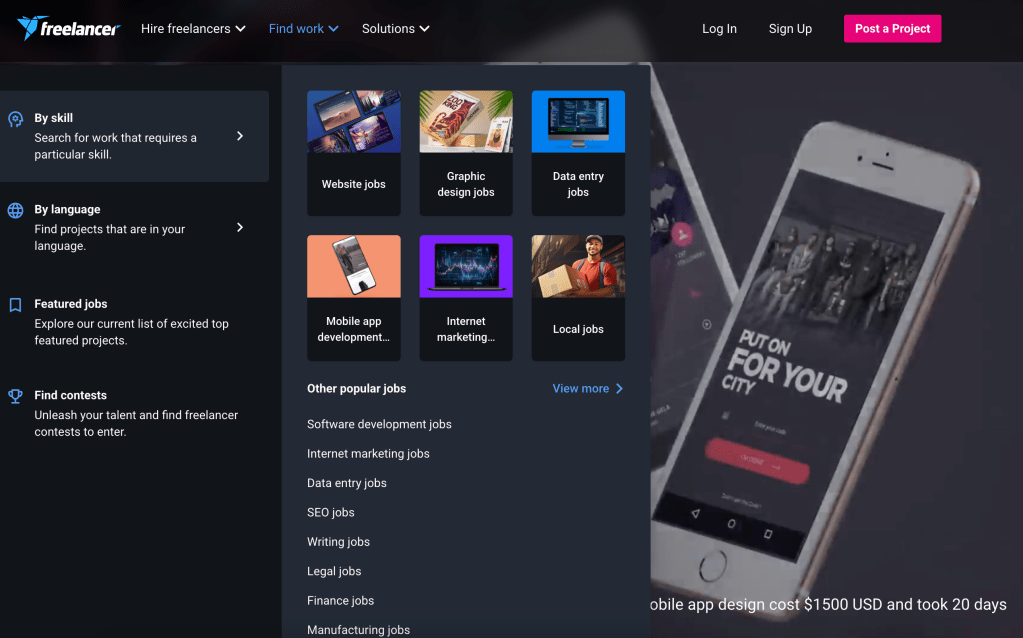
I personally debated whether or not I should include Freelancer.com in this list, because the bidding system apparently made it quite unpopular with users who felt they were scammed or forced to undersell their services, as this review shows.
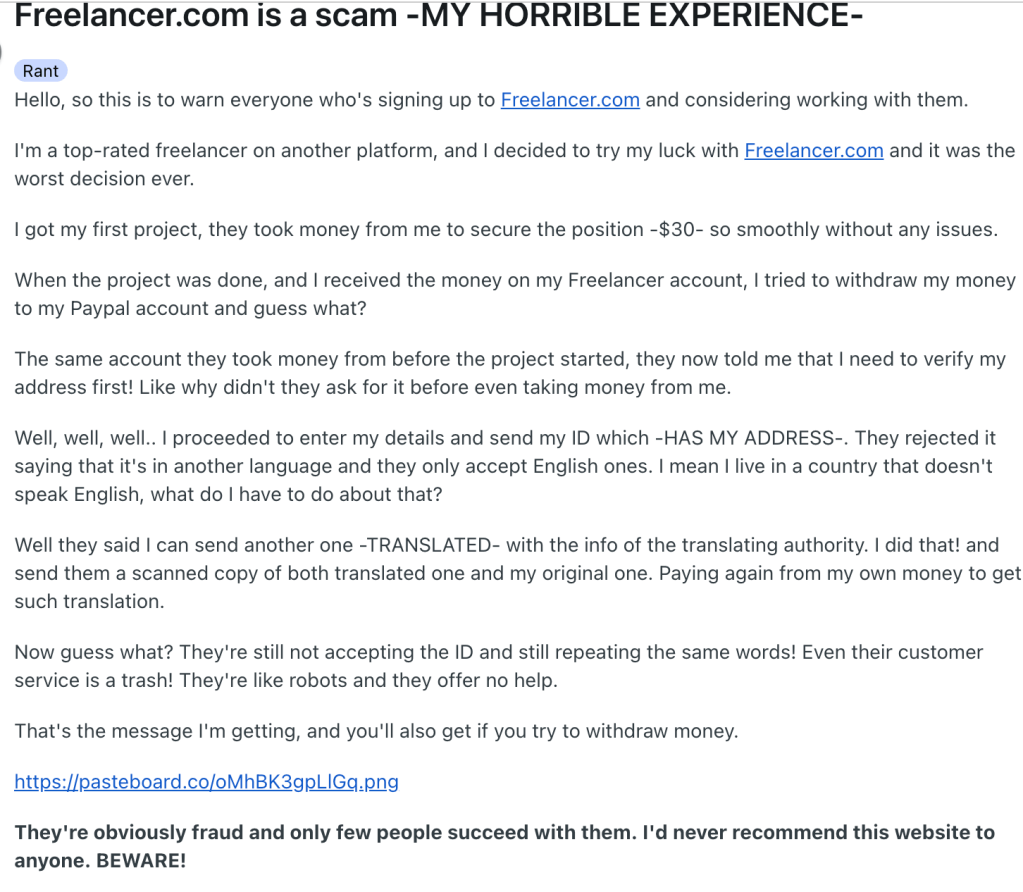
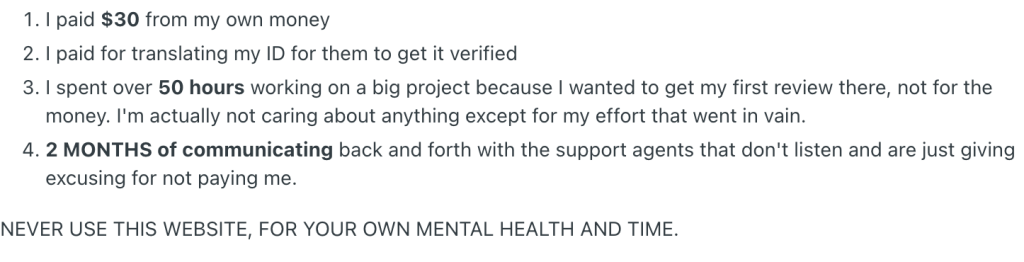
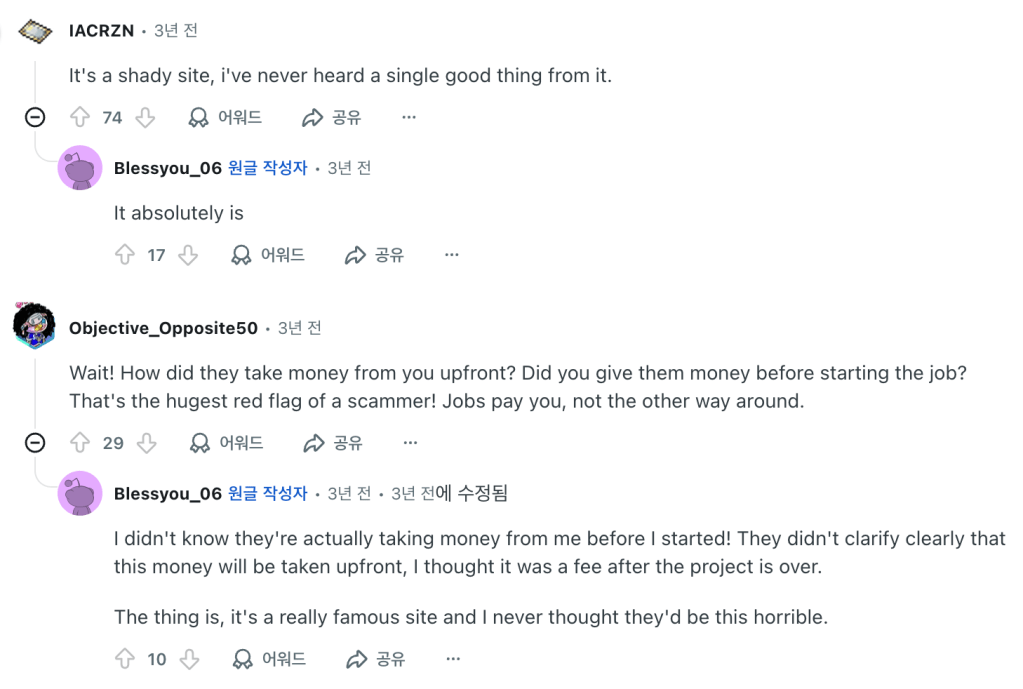
But ultimately, I decided to leave it in because…… well…… times are rough, and it’s always good to have a plan B for your plan B, after all. Currently boasting one of the largest crowdsourcing online marketplaces in the world, with almost 40 million registered users, the market itself is certainly there, though it is reportedly saturated with lowball offers and the occasional scam. Similar to 99Designs, it uses a controversial ‘bidding system,’ and may be riskier in terms of stability.
I haven’t used it and I don’t think I will, but let me know if you do!
9. Malt
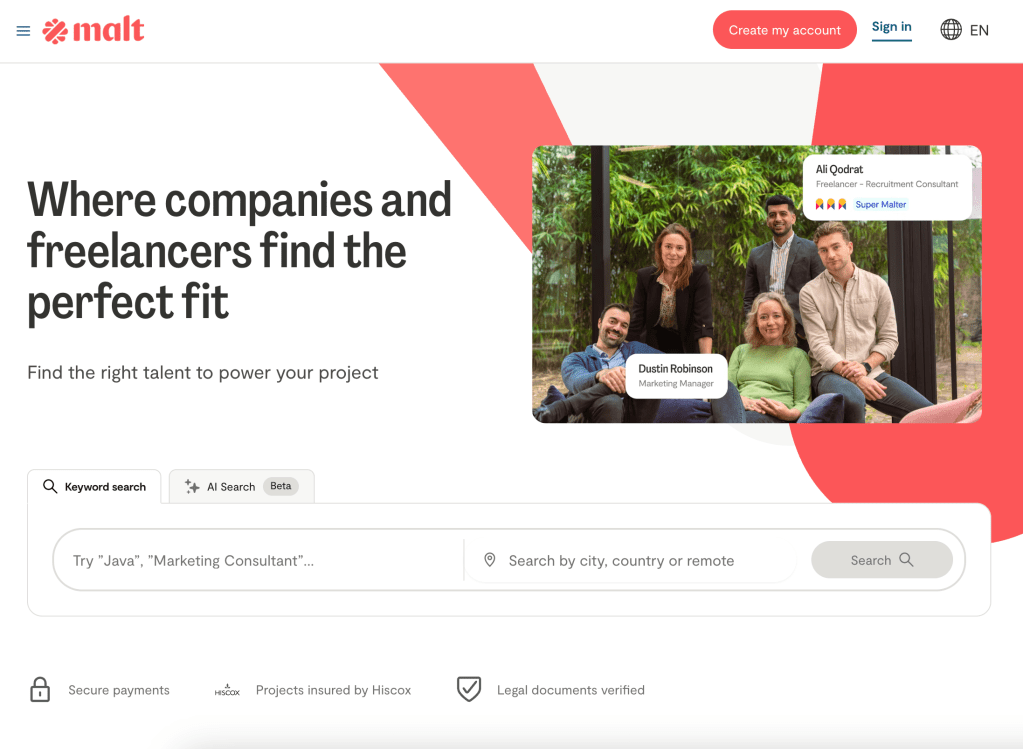

Malt.com is a freelance marketplace that bills itself as a ‘management solution,’ connecting over 850,000 freelancers with more than 100,000 clients. If you’re in Europe, in particular, then you’re probably in a place to best leverage this site. With a strong local base and robust freelance-client matching, the market in general is less saturated than on other more global reaching sites. They also have events, resources, and training opportunities for the freelancer community, which seems like a great networking service to boot.
| Platform | Pros | Cons |
|---|---|---|
| 1. Upwork | Large global platform, wide variety of job categories, good for building portfolio. | High competition; fees and cut-rates may reduce take-home; you may need to build reviews/ratings to succeed. |
| 2. Fiverr | Very beginner-friendly, lots of smaller gigs, low barrier to entry. | Because of low barrier, many low-price jobs; harder to find high-value gigs unless you specialise. |
| 3. Toptal | High-end marketplace targeting top freelancers; potentially higher rates. | Entry-barrier is higher (vetting process), fewer large-volume small gigs; might take time to access. |
| 4. PeoplePerHour | Good option especially for freelancers in Europe; mix of smaller and medium jobs. | May have lower volume compared to the biggest global platforms; regional competition strong. |
| 5. 99designs | Specialised in design / creative marketplaces; good if you’re a designer or do visual work. | If you’re outside design/creative niche it is less relevant; also design-contest model may be more speculative. |
| 6. Guru | Established platform with flexible contract types (hourly, fixed, recurring). | Less high-profile than some of the “top tier” sites; might require more effort to stand out. |
| 7. FlexJobs | Good for remote / longer-term freelance & contract work; typically higher quality listings. | It may require subscription or be more geared toward remote jobs than one-off gigs; not purely marketplace style. |
| 8. Freelancer.com | Currently one of the largest crowdsourcing online marketplaces in the world, with almost 40 million registered users. | Similar to the contest format of 99Designs, uses a controversial bidding system and may be riskier in terms of stability. |
| 9. Malt | Good regional focus (Europe/France) with strong freelance-client matching; can be less saturated. | May have fewer global clients; regional markets may limit rates if local competition is strong. |
Wrapping Up:
- Platform fees and commission structures vary depending on the platform, which you will need to take into account when scheduling, budgeting, filing your taxes, and so on.
- Matching algorithms, niche specialization, and profile optimization are becoming more important in 2025. You need to do what you can to stand out.
- Access to higher quality clients may be gatekept behind a paywall.
- Choosing the platform that’s right for you depends on your skillset(s), prior experience, portfolio, expected income, region, and competitiveness.
Human-powered Guarantee (or disclaimer, depending on who you ask!) : I don’t believe in outsourcing my own intelligence to Artificial Intelligence. Unless specifically otherwise noted, all my work is typed using my own ten fingers to compile what my eyes see on my physical screen.
© 2025, YK. Jung, a.k.a. the Human Cookie Dough Wrangler.

If you found this article helpful, please consider grabbing me a coffee over at https://buymeacoffee.com/cookiedoughonline
 Cookie dough. online
Leave a comment